
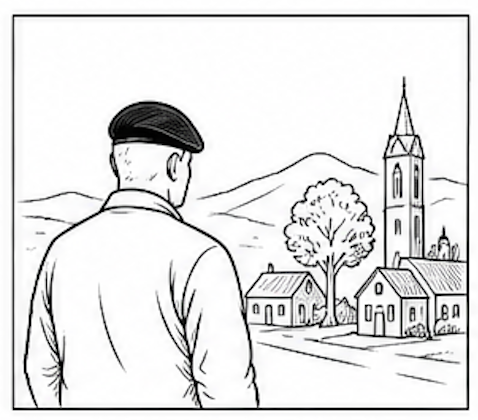
How veterans can engage locally
Veterans are citizens, constituents and voters. Some may choose to engage locally and respectfully to ensure decision makers understand the implications of legacy policy and process.
Many veterans believed their service was behind them.
Now some find themselves drawn back into public life.
Not to refight old battles.
Not to relive the past.
But to explain — calmly, accurately and locally — how legacy processes affect veterans, families and communities.
This is where One More Mission emerged.
Not as a campaign slogan.
But as a description.
Veterans who thought they were finished with public service found themselves supporting former comrades, speaking to MPs and helping others understand what was changing.
The important point is this: This work happens outside the chain of command.
No one gives orders.
There is no central direction.
No requirement to participate.
No expectation that everyone acts the same way.
Individuals choose whether to engage.
The archive exists to support informed choice.
Local engagement matters because veterans are not only former soldiers.
They are citizens.
They are constituents.
They are voters.
Experience has shown that local action can matter.
The parliamentary petition seeking protections for Northern Ireland veterans attracted more than 200,000 signatures and secured debate in Westminster. (YouTube)
Some communities have also demonstrated that small groups acting calmly and locally can raise issues through MPs, councils and Armed Forces Champions without spectacle or confrontation. (Justice for Veterans)
This approach is deliberately modest.
No national campaign.
No central command.
No message discipline.
Instead:
· Local groups speaking to local MPs
· Veterans engaging as constituents
· Communities using existing democratic routes
· Respectful discussion grounded in evidence
For those choosing to engage, practical steps may include:
· Learning more about legacy legislation and process
· Speaking to fellow veterans and families
· Contacting MPs and attending surgeries
· Sharing information through associations and networks
· Working through councils and Armed Forces Champions
· Encouraging informed and respectful discussion
This is not about immunity.
It is not about avoiding accountability.
It is about fairness, proportionality, welfare and ensuring those sent by the nation are not forgotten by it.
The work is slower.
Less visible.
More local.
It may also prove more durable.
JusticeForVeterans.uk exists to support that effort through evidence, testimony and serious political discussion rather than polemic or partisan activism.
TAGS
One More Mission
Parliament and Policy
Veterans Voices